Yoga for Balance, Strength, and Calm
Yoga is more than a physical practice—it is a way to reconnect the body, calm the mind, and build sustainable strength. Whether you are a beginner or returning after a break, a well-structured yoga session helps you move safely while gaining the full benefits of each posture. This article introduces a simple, effective yoga class plan and explains how to correctly perform one foundational yoga pose.
Yoga Class Plan
1. Centering & Breath Awareness (5 minutes)
Begin seated or lying down. Close your eyes and focus on slow, steady breathing through the nose. Inhale for four counts, exhale for six. This phase helps transition from daily stress into mindful movement.
2. Gentle Warm-Up (10 minutes)
Move slowly to prepare joints and muscles:
- Neck rolls and shoulder circles
- Cat–Cow stretches for the spine
- Gentle hip openers
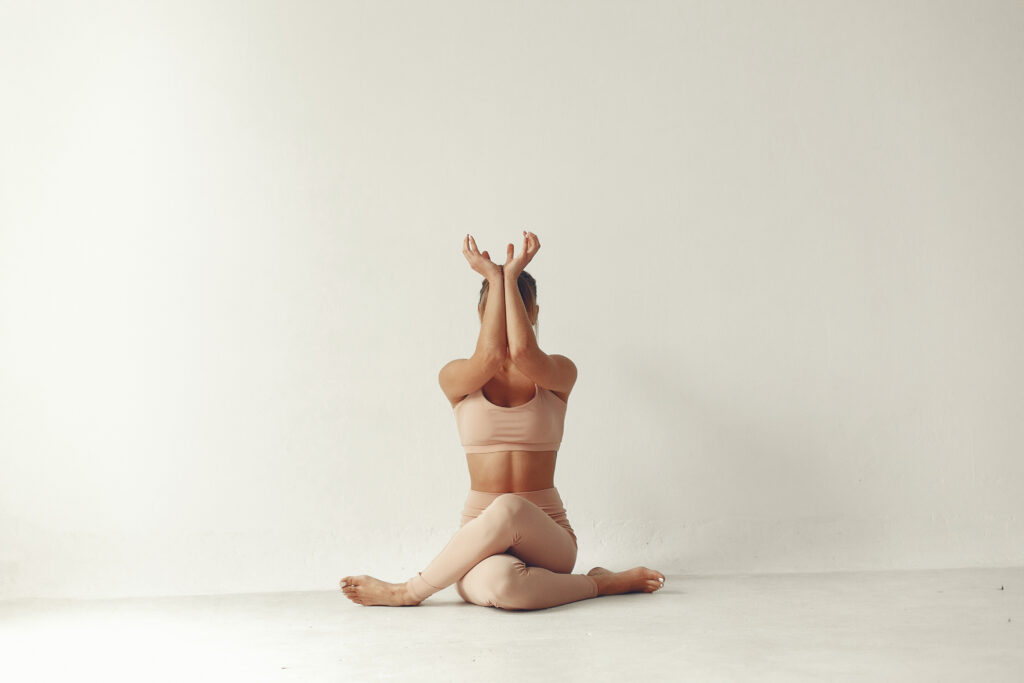
- Easy twists while seated
The goal is not intensity, but awareness and mobility.
3. Standing Flow (15 minutes)
This is the main active part of the practice:
- Mountain Pose
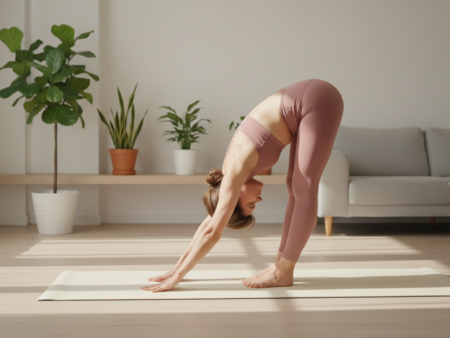
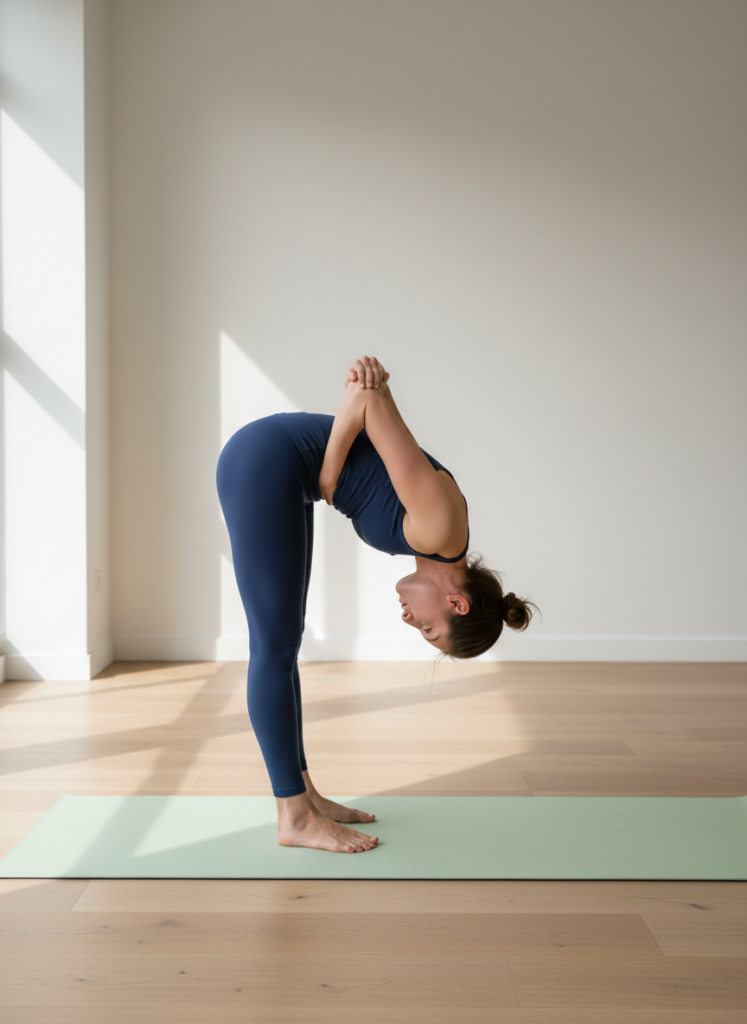
- Forward Fold
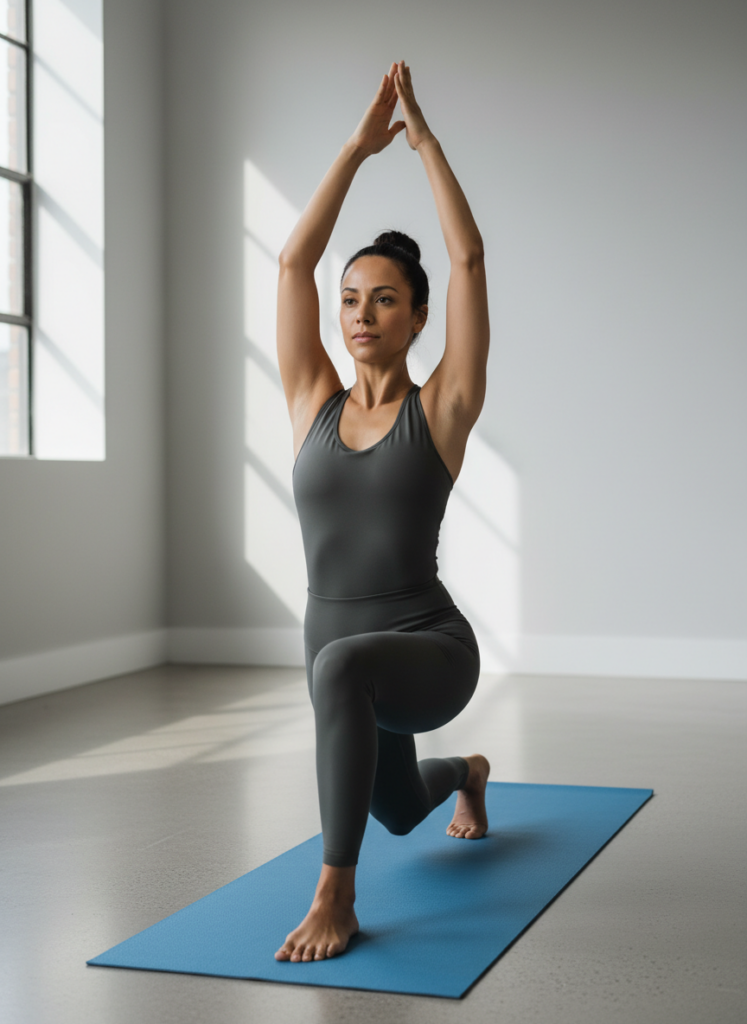
- Low Lunge
- Warrior variations
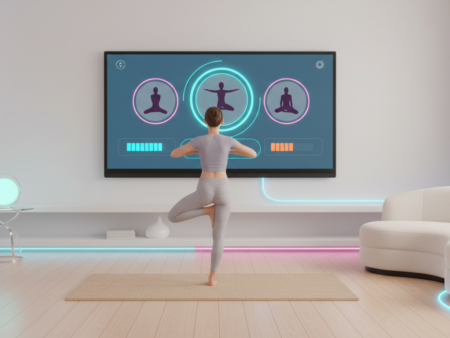
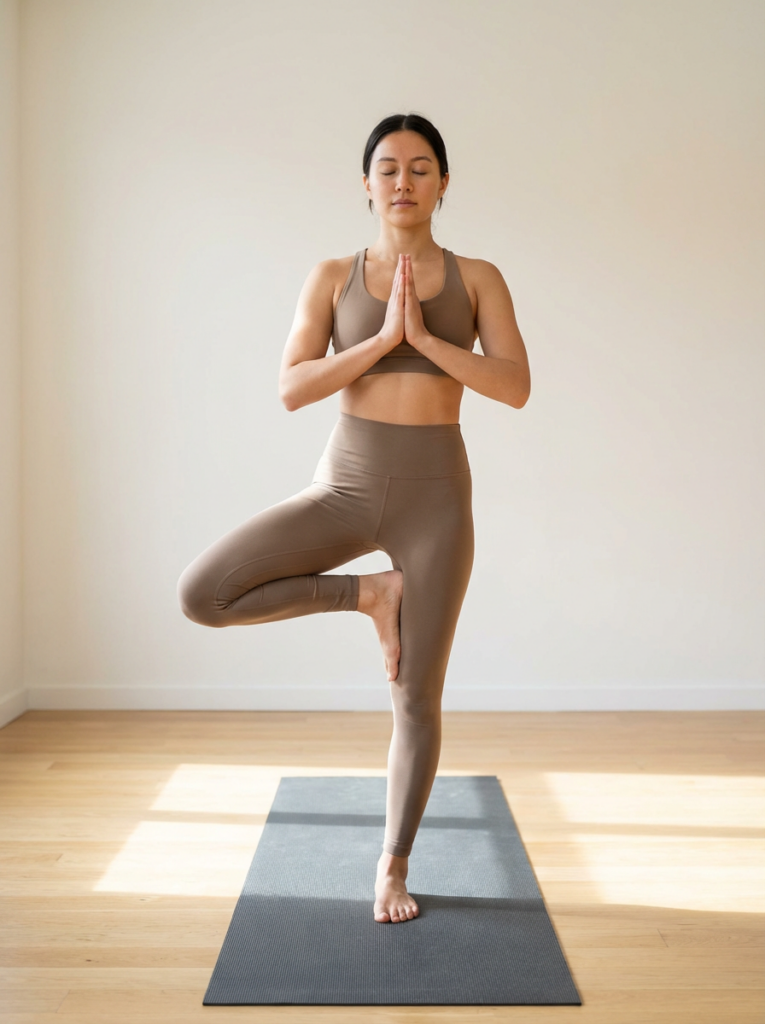
- Gentle balance poses
Move with the breath—inhale to open, exhale to deepen.
4. Focus Pose Practice (10 minutes)
Choose one pose to practice with attention and correct alignment. Hold it for several breaths, rest, and repeat. Below you’ll find a detailed example.
5. Cool Down & Relaxation (5 minutes)
Finish with seated stretches or a short savasana (lying relaxation). Let the breath slow naturally and allow the body to absorb the practice.
Featured Yoga Pose: Downward Facing Dog (Adho Mukha Svanasana)

Why This Pose Matters
Downward Facing Dog is one of the most common yoga poses. It strengthens the arms and shoulders, stretches the spine and legs, and improves circulation. It also serves as a transition pose, connecting different parts of a yoga sequence.
How to Perform the Pose Correctly
- Starting Position
Begin on all fours, with wrists under shoulders and knees under hips. Spread your fingers wide and press evenly through your palms. - Lift Into the Pose
Tuck your toes under and slowly lift your knees, sending your hips up and back. Your body should form an inverted “V” shape. - Align the Spine
Keep your back long and straight. Avoid rounding the shoulders or collapsing the chest. Bend your knees slightly if your hamstrings feel tight. - Engage and Relax
Press your hands firmly into the mat while relaxing your neck. Let your head hang naturally between your arms without tension. - Breathing
Take 5–10 slow breaths. Inhale deeply through the nose, exhale fully. With each exhale, gently lengthen the spine.
Common Mistakes to Avoid
- Locking the knees
- Dumping weight into the wrists
- Forcing heels to the floor
Remember: comfort and alignment are more important than how the pose looks.
Tips for a Safe and Enjoyable Practice
- Move slowly and listen to your body
- Use props like blocks or straps if needed
- Never force a stretch
- Consistency matters more than intensity
Yoga is a personal journey. A short, mindful practice done regularly will always be more beneficial than occasional intense sessions.
By following this simple yoga plan and focusing on proper technique, you can build strength, flexibility, and calm—one breath at a time.